
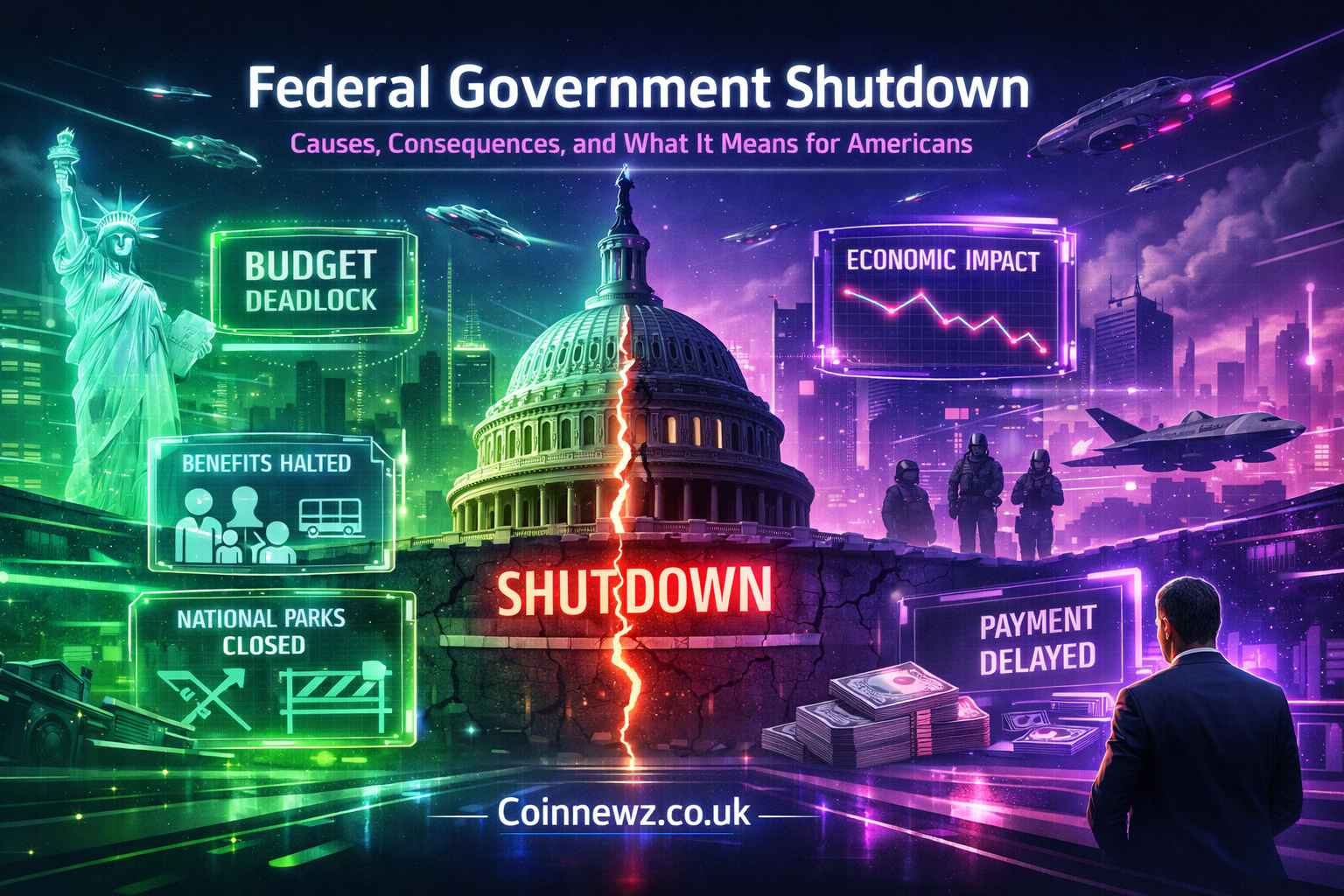
federal government shutdown: Causes, Consequences, and What It Means for Americans
When headlines start warning about a federal government shutdown, uncertainty quickly spreads across the country. News anchors talk about stalled budget negotiations, lawmakers debate spending bills, and families begin to wonder how it might affect their paychecks, travel plans, or government benefits. A federal government shutdown can feel like a distant political drama in Washington, D.C., but its real-life impact reaches communities nationwide.
In this in-depth guide, we’ll break down how a shutdown happens, why it occurs, its economic and political consequences, and how individuals and businesses can prepare. By the end, you’ll have a clear, practical understanding of what’s at stake when Congress fails to fund the government.
What Triggers a federal government shutdown?
At its core, a federal government shutdown usually happens when Congress and the President cannot agree on legislation to fund federal agencies. The U.S. government operates on an annual budget, which must be approved through appropriations bills. If these spending bills are not passed and signed into law before the fiscal year deadline, funding gaps occur.
Under the Antideficiency Act, federal agencies cannot spend money that has not been appropriated by Congress. When funding lapses, nonessential government services are suspended. Essential services—such as national security, law enforcement, and air traffic control—continue operating, but often without pay until funding is restored.
The Role of Congress and Budget Negotiations
Budget negotiations are often influenced by broader political disagreements over healthcare, immigration policy, defense spending, or social programs. Continuing resolutions (CRs) are sometimes used to temporarily fund the government while negotiations continue. However, if lawmakers fail to pass a CR or a full budget, the shutdown process begins.
Partisan gridlock, political leverage, and election-year strategies can all contribute to funding standoffs. In many cases, the threat of a shutdown becomes a bargaining tool in high-stakes legislative debates.
Economic Impact of a federal government shutdown
During a federal government shutdown, hundreds of thousands of federal employees may be furloughed, meaning they are placed on temporary unpaid leave. Others deemed essential must continue working without immediate compensation.
The longer a federal government shutdown lasts, the more noticeable the economic ripple effects become. Federal contractors may not receive payments on time, small businesses near government buildings can lose significant foot traffic, and consumer confidence may decline.
Key economic consequences include:
- Delayed paychecks for federal workers
- Suspension of government grants and loans
- Disruptions to federal housing programs
- Slower processing of tax refunds
- Reduced GDP growth during prolonged shutdown periods
Financial markets may react with volatility, especially if investors fear long-term political instability. Although most shutdowns are temporary, the uncertainty they create can weaken business investment and household spending.
Political and Social Consequences
Every federal government shutdown carries political risks. Public opinion often shifts quickly, with voters assigning blame to elected officials they believe are responsible for the impasse. Approval ratings for Congress may decline, and upcoming elections can be influenced by how leaders handled the crisis.
From a social perspective, the impact can be deeply personal. National parks may close, delaying family vacations. Passport applications and visa processing may slow. Government research agencies, including those conducting medical or environmental studies, may pause important work.
Communities that rely heavily on federal employment—such as those near military bases or federal office hubs—often feel the strain more acutely. The psychological toll of uncertainty, especially for families living paycheck to paycheck, should not be underestimated.
Historical Examples and Lessons Learned
Looking back at past episodes of federal government shutdown shows that while each situation has unique political dynamics, the underlying pattern is similar: disagreement over funding priorities leads to a lapse in appropriations.
Some shutdowns have lasted only a few days, while others have extended for weeks. The length often depends on how quickly lawmakers can compromise. In longer shutdowns, back pay for federal workers has typically been approved once funding resumes, but contractors are not always guaranteed compensation for lost income.
What History Teaches Us
Historical patterns reveal several lessons:
- Public pressure tends to increase as services remain suspended.
- Economic costs rise significantly after the first week.
- Bipartisan negotiations eventually become unavoidable.
These lessons suggest that while shutdowns are disruptive, they are rarely permanent. However, repeated funding crises can erode trust in government institutions over time.
How to Prepare for a federal government shutdown
When talk of a federal government shutdown intensifies, preparation can make a meaningful difference. Federal employees, contractors, and small business owners should assess their financial resilience and review contingency plans.
Practical steps include:
- Building an emergency savings fund covering at least three to six months of expenses
- Reviewing household budgets for nonessential spending
- Staying updated through official government websites
- Communicating proactively with lenders if income disruption seems likely
Businesses that depend on federal contracts should diversify revenue streams whenever possible. For travelers, checking ahead for national park closures or passport delays can prevent last-minute surprises.
Preparation does not eliminate uncertainty, but it can reduce stress and financial strain during temporary funding lapses.
FAQ’s
What happens during a federal government shutdown?
During a federal government shutdown, nonessential federal agencies pause operations, many employees are furloughed, and certain public services are temporarily unavailable. Essential personnel continue working, often without immediate pay.
Do federal employees get paid after a shutdown ends?
In most recent cases, Congress has approved back pay for furloughed federal workers once funding is restored. However, federal contractors are not always guaranteed retroactive compensation.
How long can a shutdown last?
A shutdown can last from a few days to several weeks, depending on how quickly lawmakers reach a budget agreement.
Does a shutdown affect Social Security benefits?
Social Security payments generally continue because they are considered mandatory spending. However, customer service delays may occur due to reduced staffing.
Can a shutdown impact the economy long term?
Short shutdowns typically have limited long-term effects, but prolonged funding gaps can slow economic growth, disrupt financial markets, and reduce consumer confidence.
Conclusion:
A shutdown is more than a political headline—it’s a real-world disruption that touches workers, families, and businesses across the nation. From delayed paychecks and paused government services to broader economic consequences, funding lapses create ripple effects that extend far beyond Capitol Hill.
Understanding how the budget process works, why negotiations fail, and what practical steps you can take to prepare puts you in a stronger position when uncertainty arises. While history shows that funding disputes are eventually resolved, the impact during the interim can be significant. Staying informed, financially prepared, and aware of policy developments is the best way to navigate these challenging moments with confidence.
Meta Description:
Learn what causes a federal government shutdown, its economic and political impact, and how to prepare. This comprehensive guide explains funding gaps, furloughs, and real-world consequences in clear, practical terms.