
One Dollar Coin: Value Guide History, Rare Types, Errors, and Collecting Tips
The one dollar coin has long been a fascinating piece of American currency. While many people are more familiar with the dollar bill, dollar coins have a rich history, unique designs, and surprising collectible value. From historic silver pieces to modern golden-toned coins, these small treasures reflect different eras of U.S. heritage.
Whether you’re a beginner collector, an investor in rare coins, or simply curious about pocket change, this comprehensive guide will walk you through the history, types, values, mint marks, and collecting strategies associated with the iconic one dollar coin.
The History of the One Dollar Coin in the United States
The journey of the one dollar coin began in 1794, shortly after the U.S. Mint was established. The first silver dollar, known as the Flowing Hair Dollar, marked the birth of official American coinage.
Over time, the design evolved to reflect political, cultural, and historical shifts. The Morgan Dollar (1878–1921) became one of the most beloved silver dollars, followed by the Peace Dollar in the 1920s. These coins were primarily composed of 90% silver, making them highly sought after by collectors today.
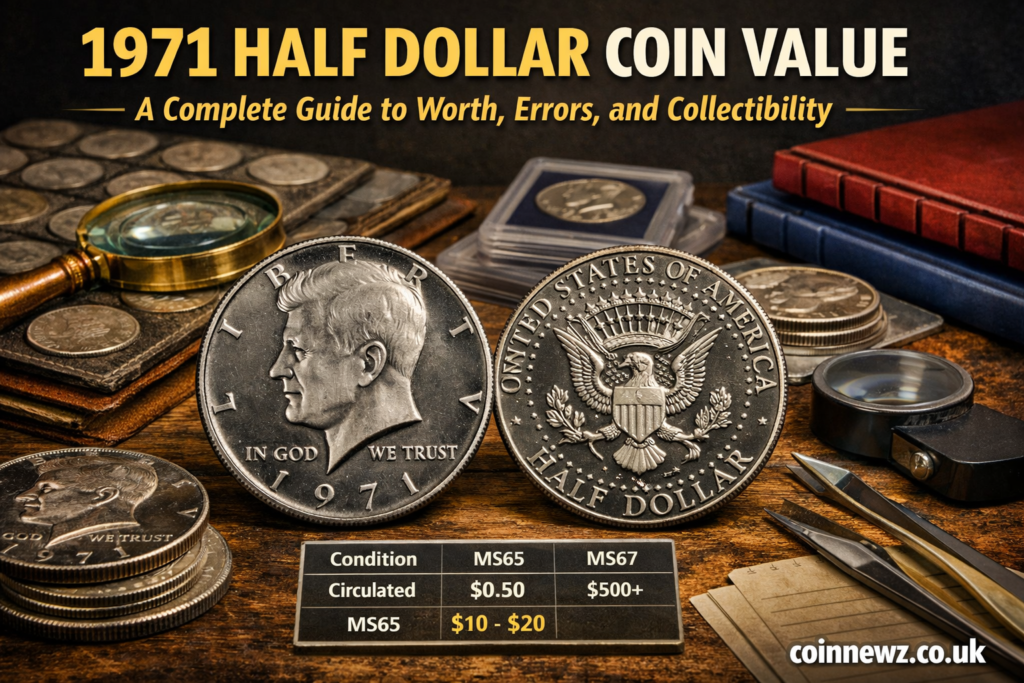
In 1971, the U.S. introduced the Eisenhower dollar, honoring President Dwight D. Eisenhower. Later came the Susan B. Anthony dollar in 1979, the Sacagawea dollar in 2000, and the Presidential $1 Coin Program beginning in 2007.
Each era tells a story through coin design, metal composition, and public reception.
Popular Types of One Dollar Coins
Different designs and compositions have shaped the appeal of the dollar coin. Below are some of the most well-known varieties.
Morgan Dollar


The Morgan Dollar is one of the most collectible silver coins in U.S. history. One dollar coin Featuring Lady Liberty on the obverse and an eagle on the reverse, Morgan dollars are prized for their silver content and historical significance.
Rare dates like the 1893-S can command thousands of dollars depending on condition. These coins are often graded by professional services to determine mint state quality.
Peace Dollar


The Peace Dollar symbolizes post–World War I peace. Minted from 1921 to 1935, it contains 90% silver. The 1928 Peace Dollar is considered a key date and highly valuable in uncirculated condition.
Sacagawea and Presidential Dollars


The Sacagawea dollar introduced a golden color due to its manganese-brass composition. It features Sacagawea carrying her child, Jean Baptiste.
The Presidential $1 Coin Program honored former U.S. presidents in the order they served. These coins include edge lettering showing the year and mint mark, making them interesting to collect.
What Determines the Value of a One Dollar Coin?
The value of a coin depends on multiple factors beyond face value. Here’s what collectors and numismatists consider:
1. Metal Content
Older coins made of silver have intrinsic value based on current silver prices. A silver dollar’s melt value can exceed its face value significantly.
2. Mint Mark
Mint marks such as “S” (San Francisco), “D” (Denver), or “P” (Philadelphia) can influence rarity. Some mint locations produced fewer coins in certain years.
3. Condition (Coin Grading)
Coins are graded on a scale from Poor (P-1) to Mint State (MS-70). Uncirculated or proof coins often command higher prices.
4. Rarity and Demand
Low mintage numbers and historical importance increase collector demand. Key dates and error coins are especially valuable.
It’s important to research price guides or consult professional grading services before selling or buying a coin.
Rare Errors and Valuable Finds
Mint errors can significantly increase a coin’s value. Collectors actively search for unusual characteristics that make a coin unique.
Common Dollar Coin Errors
- Off-center strikes
- Double die obverse
- Missing edge lettering
- Planchet errors
One famous example is the 2007 Presidential dollar with missing edge lettering. These coins were nicknamed “Godless Dollars” one dollar coin because they lacked the inscription “In God We Trust.”
Error coins can sell for anywhere from a few dollars to several thousand, depending on rarity and condition.
Tips for Collecting and Investing in Dollar Coins
Collecting coins can be both a rewarding hobby and a potential investment opportunity. Here’s how to get started:
Start with a Focus
Decide whether you want to collect by series (Morgan, Peace, Presidential) or by theme (silver content, historical figures, mint marks).
Learn About Coin Storage
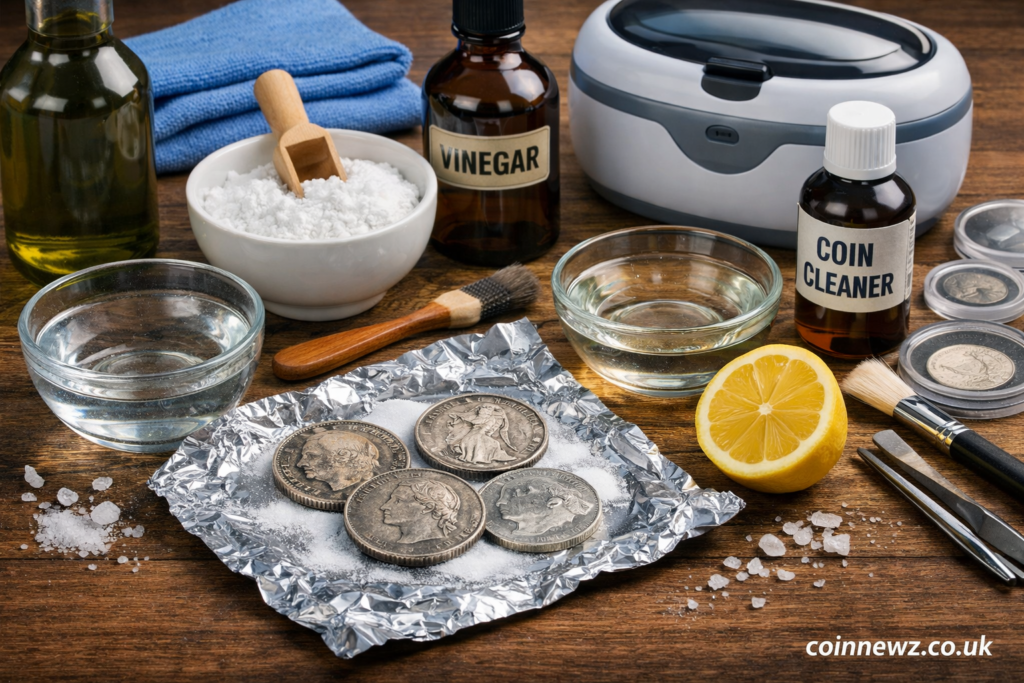
Store coins in protective holders to prevent scratches and oxidation. Avoid cleaning coins, as this reduces their numismatic value.
Research Market Trends
Follow auction results and silver prices. Coin values fluctuate based on market demand and precious metal trends.
Consider Professional Grading
Third-party grading services authenticate coins and assign condition grades. Certified coins often sell for higher prices due to buyer confidence.
Patience and knowledge are key in building a meaningful collection.
FAQ’s
Are one dollar coins still in circulation?
Yes, modern dollar coins like the Sacagawea and Presidential series are legal tender, though they are less commonly used than paper bills.
How much is a silver dollar worth today?
The value depends on silver content, condition, and rarity. Most common-date silver dollars are worth more than their face value due to silver prices.
What is the rarest U.S. dollar coin?
The 1893-S Morgan Dollar is considered one of the rarest and most valuable regular-issue U.S. silver dollars.
Where can I sell a valuable dollar coin?
You can sell coins through reputable coin dealers, auction houses, or online marketplaces specializing in numismatics.
Should I clean old coins?
No. Cleaning can damage the surface and significantly reduce collector value.
Conclusion:
The one dollar coin represents far more than a simple unit of currency. From early silver dollars of the 18th century to modern golden-toned issues, these coins reflect America’s evolving history, artistry, and economic development.
Collectors value them for their precious metal content, mint marks, rarity, and historical symbolism. Whether you’re examining a Morgan silver dollar inherited from a grandparent or discovering a Sacagawea coin in loose change, each piece has a story to tell.
With careful research, proper storage, and a passion for history, building a collection can be both enjoyable and potentially profitable. The world of the one dollar coin offers endless opportunities for learning, investing, and appreciating the craftsmanship behind America’s enduring currency tradition.